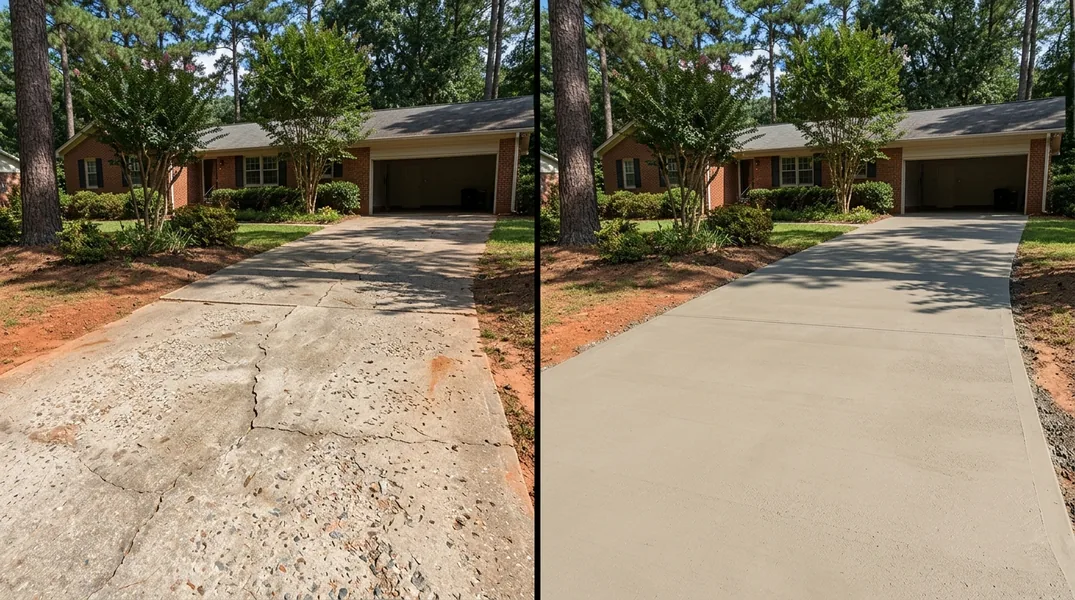
Understanding Foundation Problems in Raleigh
Your home's foundation is its most critical structural component. In Raleigh, homeowners face unique foundation challenges due to the region's expansive clay soil, which swells when wet and shrinks when dry. This constant movement puts tremendous stress on concrete foundations, leading to cracks, settling, and structural issues that can compromise your entire home.
Foundation problems don't appear overnight. They develop gradually, often going unnoticed until significant damage occurs. Understanding the early warning signs allows you to address issues before they become expensive repairs. Whether your home was built decades ago or is relatively new, clay soil foundation damage remains a persistent concern for Raleigh property owners. Recognizing these signs and taking action quickly can save you thousands of dollars in future repairs.
Concrete Foundation Cracks: What They Mean
Not all concrete foundation cracks signal an emergency, but they should never be ignored. Small hairline cracks, typically less than one-eighth of an inch wide, are common in new concrete as it cures and settles. However, wider cracks or those that grow over time indicate deeper structural problems. Horizontal cracks are particularly concerning because they suggest pressure from soil movement or water infiltration, which are serious issues that require immediate attention from a qualified foundation contractor.
Stair-step cracks that run diagonally across your foundation wall often indicate foundation settling or shifting. Vertical cracks can result from concrete shrinkage or temperature changes, but when they're wider than one-quarter inch or accompanied by other signs of movement, they warrant professional evaluation. Water seeping through cracks is an especially troubling sign, as it suggests your foundation's waterproofing has failed. If you notice any of these crack patterns in your basement or crawl space, contact a foundation contractor to assess the situation before the problem worsens.
Clay Soil Foundation Damage: Why Raleigh Homeowners Are at Risk
The Piedmont region, where Raleigh is located, sits atop highly expansive clay soil. This clay expands significantly when exposed to moisture and contracts when it dries out. During heavy rains or humid seasons, the soil beneath your foundation can swell, exerting tremendous upward pressure. Conversely, during dry periods, the soil shrinks, leaving voids that cause your foundation to settle unevenly. This repetitive cycle of expansion and contraction is one of the primary causes of foundation damage in the area.
Clay soil foundation damage manifests in several ways. You might notice doors and windows that stick or don't close properly, gaps between walls and ceilings, or cracks radiating from corners of windows and doors. Interior drywall cracks that reappear after repair are another telltale sign of ongoing foundation movement. Some homeowners observe that their floors are no longer level or that they hear cracking sounds in the basement. These symptoms suggest that the soil beneath your home is shifting, and your foundation is responding to that movement. A professional foundation contractor can evaluate your soil conditions and recommend appropriate solutions to stabilize your home.
Visual Warning Signs of Foundation Trouble
Beyond cracks, several visual indicators suggest your foundation needs professional attention. Bowing or leaning foundation walls are serious red flags that indicate structural failure. If your basement walls appear to curve inward or tilt, this means soil pressure is overwhelming your foundation's strength. Similarly, gaps between your foundation and the house framing, or between exterior brick and the foundation, indicate movement and settling. These gaps often appear around corners or near windows and doors, where stress concentrates.
Another warning sign is efflorescence, a white, powdery substance that appears on foundation walls. This mineral deposit indicates water is moving through your concrete, which can lead to deterioration and weakening over time. Rust stains on foundation walls suggest rebar corrosion, another sign of water damage and structural compromise. If your basement or crawl space feels unusually damp or you notice mold growth, water is entering through foundation cracks or poor drainage. Pooling water around your foundation's perimeter also signals inadequate drainage. Any combination of these visual signs should prompt you to contact a foundation contractor for a thorough inspection and assessment.
Interior Signs That Your Foundation Is Failing
Foundation problems often announce themselves inside your home before you notice exterior damage. Doors and windows that jam or won't close properly are among the earliest signs of foundation settling. As your foundation shifts, it distorts the frames that hold these fixtures, causing them to bind. Interior doors that swing open or closed on their own indicate that your floors are no longer level due to uneven foundation settlement. Cracks in drywall, especially those that follow a stair-step pattern or radiate from window corners, directly reflect foundation movement occurring below.
Gaps appearing where your walls meet the ceiling or floor suggest your foundation has settled, causing the entire house frame to shift. You might also notice that tile floors are cracking or that hardwood flooring is buckling or separating. Cabinets and countertops that are pulling away from walls indicate the same underlying problem. In severe cases, you might even notice that your house feels unstable or that you hear creaking and settling sounds. These interior symptoms are your home's way of telling you that the foundation beneath it is no longer providing stable support. Addressing these issues promptly with a qualified foundation contractor prevents further damage and protects your home's structural integrity.
When to Call a Foundation Contractor in Raleigh
If you've noticed any of the warning signs mentioned above, it's time to call a foundation contractor for a professional evaluation. Early detection and intervention can prevent minor issues from becoming major structural failures. A qualified contractor will inspect your foundation, assess soil conditions, and determine whether you're dealing with normal settling or a serious problem requiring repair. Don't wait until damage is extensive, as repairs become exponentially more expensive the longer you delay.
Raleigh Concrete specializes in foundation evaluation and concrete repair solutions tailored to the unique challenges of our region. With expertise in dealing with clay soil foundation damage and experience with countless homes throughout Raleigh, our team can provide the professional assessment and solutions your home needs. Whether you require Concrete Repair and Resurfacing or a comprehensive foundation evaluation, we're here to help. Call us today at (984) 777-9032 to schedule your free estimate and take the first step toward protecting your home's foundation.
Looking for a professional tree service in Raleigh? Raleigh Concrete responds fast for all your concrete needs.
Get a Free QuoteOur services: Concrete Driveways · Concrete Patios · Stamped & Decorative Concrete