Concrete vs. Pavers: Understanding Your Options
When it comes to upgrading your driveway or patio in Raleigh, one of the most common decisions homeowners face is whether to choose concrete or pavers. Both options have earned their place in the Triangle-area landscaping market, but they offer distinctly different benefits and drawbacks. Understanding the fundamental differences between these two materials is the first step toward making an informed decision that aligns with your budget, aesthetic preferences, and long-term maintenance expectations.
Concrete is a poured material that creates a solid, monolithic surface, while pavers are individual units (typically made from concrete, brick, or stone) that are laid out in patterns to form a surface. This basic structural difference leads to significant variations in how each material performs over time, how much it costs, and how it looks on your property. Neither option is universally superior; the right choice depends on your specific situation, the climate in the Triangle area, and what matters most to you as a homeowner.
Durability and Weather Performance in North Carolina
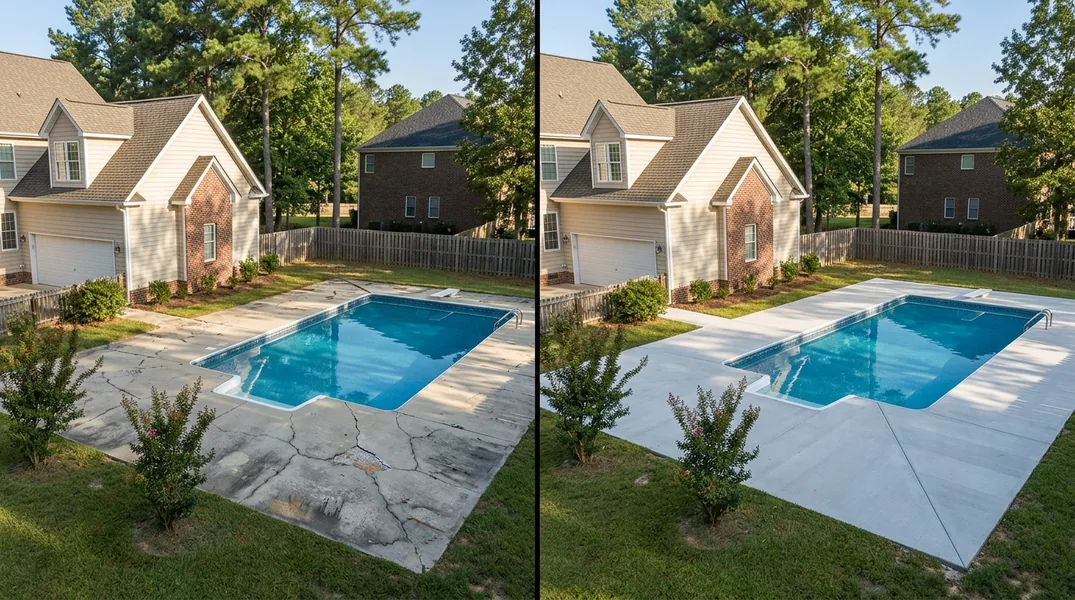
Concrete Driveways are known for their strength and longevity when properly installed and maintained. In the Raleigh climate, concrete typically lasts 25 to 30 years or longer, though North Carolina's freeze-thaw cycles can take a toll over time. When water seeps into concrete and freezes during winter months, it expands and can cause cracking and surface deterioration. This is why proper sealing and maintenance are critical for extending the life of your concrete investment.
Pavers, on the other hand, offer a different kind of durability. Individual pavers can last 25 to 50 years depending on the material and installation quality, and the beauty of a paver system is that damaged units can be replaced individually without affecting the entire surface. This modularity means you can repair problem areas without the expense of resurfacing your entire driveway. However, pavers are more susceptible to settling and shifting, especially in areas with poor drainage or heavy traffic. The joints between pavers can also accumulate dirt and weeds over time, requiring more frequent maintenance than a solid concrete surface.
Cost Comparison: Concrete vs. Pavers for Triangle Homeowners
When evaluating pricing for driveway and patio projects, the initial cost difference between concrete and pavers is often the deciding factor for many homeowners. Concrete typically costs less upfront, ranging from $6 to $12 per square foot for a standard installation in the Raleigh area. Pavers generally cost more initially, ranging from $12 to $25 per square foot depending on the material quality and design complexity. For a 500-square-foot driveway, this difference can easily amount to several thousand dollars.
However, the initial cost tells only part of the story. Concrete requires regular sealing (every 2 to 3 years) and may need Concrete Repair & Resurfacing if cracks develop. Pavers require less frequent sealing but demand more labor-intensive maintenance, including joint sand replenishment and occasional releveling. Over a 20-year period, the total cost of ownership can be surprisingly similar, though the type and frequency of maintenance differ significantly. If you're budget-conscious and want the lowest initial investment, concrete wins. If you prefer a system that's easier to repair and more flexible over time, pavers may justify the higher upfront expense.
Aesthetic Appeal and Design Flexibility
One of the strongest arguments in favor of pavers is their superior aesthetic versatility. Pavers come in countless colors, shapes, sizes, and patterns, allowing homeowners to create custom designs that reflect their personal style and complement their home's architecture. Whether you prefer a traditional brick pattern, a modern geometric layout, or an intricate custom design, pavers can deliver a level of visual sophistication that many homeowners find appealing. For those in Raleigh seeking to make a distinctive statement with their outdoor spaces, pavers offer nearly unlimited design possibilities.
Concrete, while sometimes dismissed as plain gray slabs, has evolved considerably over the past decade. Stamped & Decorative Concrete options allow you to mimic the appearance of stone, brick, or tile patterns while maintaining the durability and cost advantages of concrete. Concrete can also be stained, colored, or textured to create sophisticated and attractive surfaces. For homeowners who appreciate a cleaner, more minimalist aesthetic or who want a uniform, seamless appearance, concrete offers a modern and elegant solution. The choice here often comes down to personal preference and the overall design vision for your property.
Maintenance Requirements: What to Expect Long-Term
Concrete driveways demand consistent care to maintain their appearance and structural integrity. Sealing your concrete every 2 to 3 years protects against moisture penetration, UV damage, and staining. You'll also need to address cracks promptly to prevent them from expanding due to North Carolina's seasonal temperature fluctuations. De-icing salts used in winter can accelerate concrete deterioration, so rinsing your driveway after winter weather is advisable. Regular sweeping and occasional power washing keep concrete looking fresh, but the surface can develop a weathered appearance over time that some homeowners find charming and others find less desirable.
Paver maintenance is different but not necessarily easier. The sand between pavers needs replenishment periodically, typically every 2 to 3 years, as it compacts and washes away. Weeds can grow through joints, requiring manual removal or herbicide application. Pavers may shift slightly over time, especially in high-traffic areas, and releveling may be necessary. However, the modular nature of pavers means you can replace individual damaged units without disturbing the entire surface. If you live in an area prone to heavy use or prefer a surface that ages gracefully with minimal intervention, pavers might appeal to you. If you prefer a low-maintenance solution that remains consistent in appearance, concrete is often the better choice.
Making Your Decision: Which Option Is Right for Your Raleigh Home?
Choosing between concrete and pavers ultimately depends on balancing several factors: your budget, maintenance preferences, desired aesthetic, and how long you plan to stay in your home. If you're looking for the most cost-effective, low-maintenance option with a clean, modern appearance, concrete is an excellent choice. If you prioritize design flexibility, enjoy hands-on property maintenance, and want a surface that can be selectively repaired rather than completely replaced, pavers may be worth the additional investment.
The climate of the Triangle area, with its moderate winters and humid summers, is generally favorable for both materials when properly installed and maintained. The key is selecting a contractor who understands local conditions and can ensure proper drainage, base preparation, and sealing. Whether you're considering a new driveway, Concrete Patios, or a complete outdoor renovation, it's worth getting professional guidance tailored to your specific property and needs. Raleigh Concrete is here to help you evaluate both options and determine the best solution for your home. Contact us today at (984) 777-9032 or request a free estimate to discuss your driveway or patio project with our experienced team.
Looking for a professional tree service in Raleigh? Raleigh Concrete responds fast for all your concrete needs.
Get a Free QuoteOur services: Concrete Driveways · Concrete Patios · Stamped & Decorative Concrete