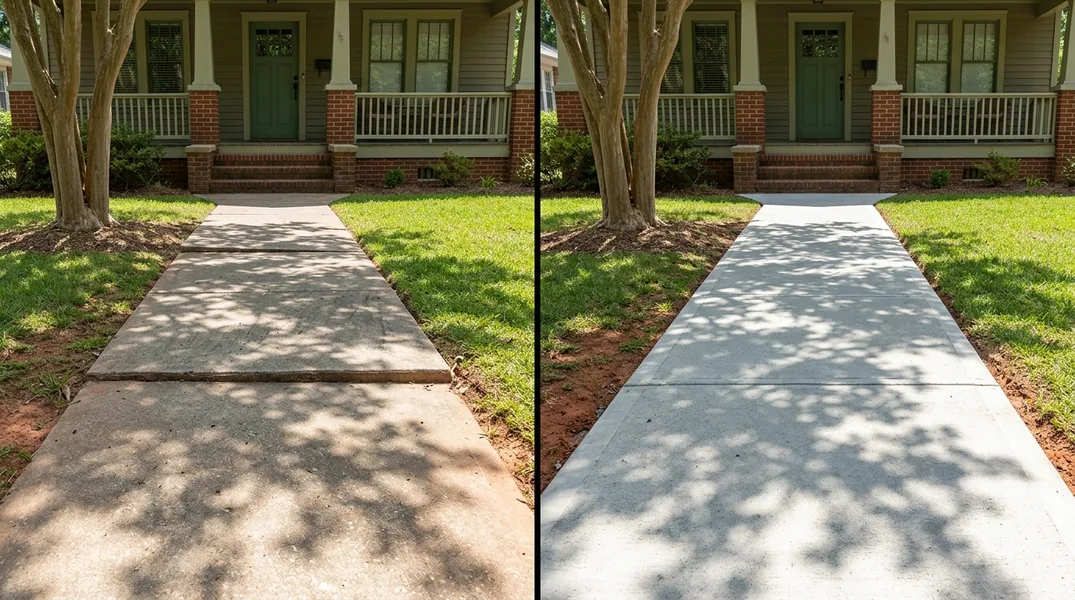
Understanding Raleigh's Piedmont Clay Problem
If you own a home in Raleigh, you're likely familiar with the red clay that stains your clothes and clings to your shoes after a heavy rain. That clay isn't just a nuisance; it's a fundamental challenge for anyone with a concrete driveway. The Piedmont region of North Carolina, where Raleigh sits, is built on expansive clay soils that behave very differently from the sandy or rocky soils found in other parts of the country.
Expansive clay is composed of minerals like montmorillonite, which have a unique property: they absorb water and expand significantly when wet, then shrink as they dry. This constant cycle of expansion and contraction creates tremendous pressure beneath your Concrete Driveways, pushing up from below and pulling apart from the sides. Over time, this stress manifests as cracks, heaving, and settling that can compromise the structural integrity of your driveway and create safety hazards for your family and visitors.
How Heavy Rain Accelerates Driveway Damage
Raleigh experiences its fair share of precipitation, with an average of 46 inches of rain annually. While this keeps our region lush and green, it also means that the clay beneath your driveway is constantly cycling through wet and dry phases. When heavy rain falls, water infiltrates the soil around and beneath your concrete, causing the clay to expand. This upward pressure can push your driveway up by several inches in extreme cases, creating an uneven surface that's both unsightly and dangerous.
What many homeowners don't realize is that the damage often happens gradually and invisibly. Small cracks appear first, often in a pattern that looks almost like spider webs across the surface. These aren't just cosmetic issues; they're entry points for water. Once water seeps into those cracks, it accelerates the cycle of expansion and contraction, making the problem worse with each rainfall. The situation becomes particularly acute during spring and early summer in the Piedmont, when we typically receive the most rainfall and temperatures cause rapid soil moisture changes.
Piedmont Clay Foundation Issues and Your Driveway
The same expansive clay that causes foundation problems for homes is what's threatening your driveway. Homeowners dealing with piedmont clay foundation issues often discover that their driveways are experiencing similar symptoms. Both are sitting on the same unstable soil base, and both are subject to the same forces of heaving and settling. If you've noticed cracks in your driveway or if it's become uneven, there's a good chance your home's foundation could be experiencing similar stress, even if you haven't noticed obvious signs yet.
Understanding this connection is important because it means your driveway isn't just a surface problem; it's an indicator of what's happening beneath the surface. The good news is that modern concrete installation techniques can account for this reality. Proper site preparation, including removing problematic clay and replacing it with engineered fill, combined with excellent drainage solutions, can significantly reduce or even prevent these issues. This is why working with experienced contractors who understand Piedmont soil conditions is so critical.
Drainage Solutions: The Key to Protecting Your Concrete
The most important defense against clay-related driveway damage is proper drainage. When water is allowed to pool around or beneath your driveway, it saturates the clay and triggers expansion. Conversely, when water is directed away quickly and effectively, the clay remains more stable and the damage risk drops dramatically. A well-designed drainage concrete driveway in North Carolina should include several key features: a slight slope to encourage water runoff, permeable base materials that allow water to drain away from the concrete, and strategic placement of drainage channels or French drains if your property has particularly poor natural drainage.
Many older driveways in Raleigh were installed without modern drainage considerations, which is why we see so much cracking and heaving in established neighborhoods. If you're installing a new driveway or planning Concrete Repair & Resurfacing work, make drainage a priority from day one. This might mean investing a bit more upfront, but it will save you thousands in premature repairs and replacements down the road. Proper grading, adequate base preparation, and strategic use of drainage materials are investments in your driveway's longevity.
Signs Your Driveway Is Suffering from Clay Soil Problems
Recognizing the early warning signs of clay-related damage can help you address problems before they become severe. The most common indicators include spider web cracking patterns (often radiating from a central point), uneven surfaces where one section of the driveway is higher than an adjacent section, and gaps appearing between your driveway and your garage or home foundation. You might also notice that puddles form on your driveway after rain, which indicates poor drainage and means water is sitting on the surface and penetrating the concrete.
Another telltale sign is if your driveway appears to be moving or shifting seasonally. Some homeowners report that their driveways look worse in spring and summer, then improve slightly in fall and winter as the clay dries out and shrinks. This cyclical pattern is almost a guaranteed indicator of expansive clay issues. If you're seeing any of these signs, it's time to get a professional assessment. Raleigh Concrete can evaluate your driveway and recommend whether Concrete Repair & Resurfacing is appropriate or if you need a more comprehensive solution. Contact us at (984) 777-9032 for a free estimate.
Protecting Your Investment: Maintenance and Long-Term Solutions
While you can't change the clay soil beneath your driveway, you can take proactive steps to minimize its impact. Regular maintenance is your first line of defense. Seal your concrete every two to three years to prevent water penetration. Keep gutters and downspouts clean and directed away from your driveway. Monitor the grading around your driveway to ensure water flows away naturally, and address any drainage problems immediately. These simple steps can significantly extend your driveway's lifespan and reduce the severity of clay-related damage.
For more serious situations, professional solutions are available. If your driveway is already significantly damaged, complete replacement using modern installation techniques and materials designed for clay-heavy regions may be the most cost-effective long-term solution. When you're ready to explore your options, the team at Raleigh Concrete has extensive experience with Piedmont clay conditions and can help you make the right choice for your home. Whether you need repairs, resurfacing, or a complete new installation, we understand the unique challenges that clay soil presents and design solutions accordingly. Call us today at (984) 777-9032 to discuss your driveway needs.
Looking for a professional tree service in Raleigh? Raleigh Concrete responds fast for all your concrete needs.
Get a Free QuoteOur services: Concrete Driveways · Concrete Patios · Stamped & Decorative Concrete